


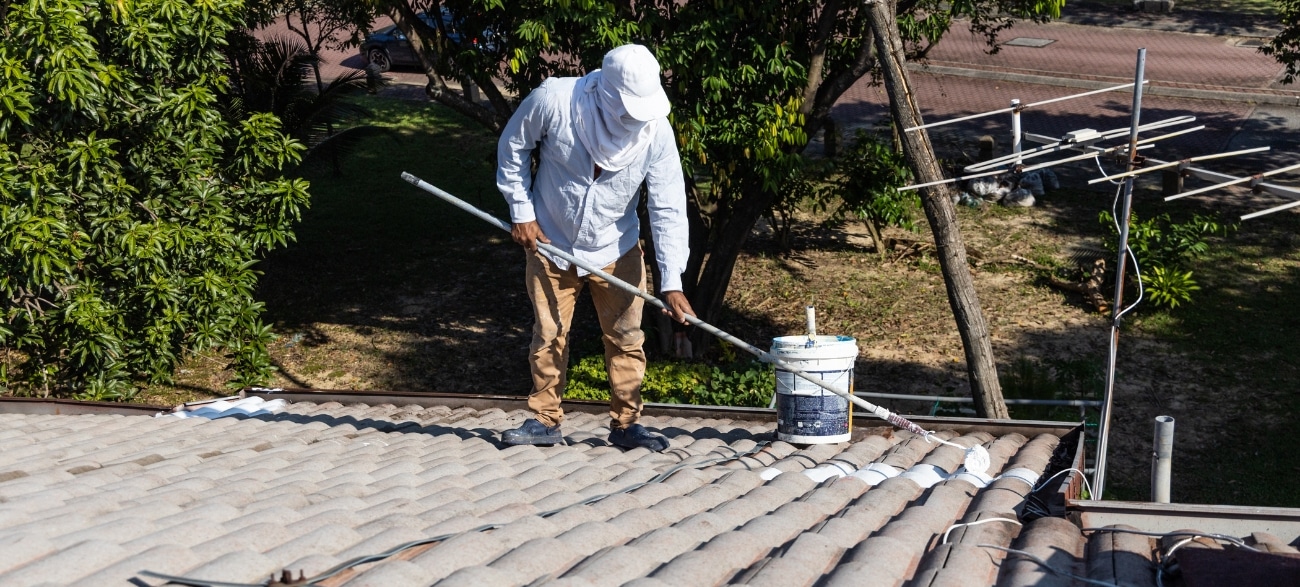
Roof painting is an excellent way to enhance your home’s appearance and protect it from the elements. However, it’s essential to consider the seasonality of this project. Weather ensures that the paint adheres properly and provides long-lasting protection. In this blog, we’ll explore the seasonal factors influencing roof painting, helping you choose the best time for the job.
1. The Best Seasons for Roof Painting
Spring and fall are ideal seasons for roof painting. These seasons offer mild temperatures, which help the paint dry properly without extreme conditions.
- Spring: As temperatures rise, the weather becomes ideal for roof painting. It’s not too hot, which prevents the paint from drying too quickly and cracking, nor is it too cold, which would prevent the paint from bonding properly.
- Fall: The cool, dry air of fall is perfect for painting. The moderate temperatures ensure the paint dries slowly and evenly, allowing for better coverage and adhesion.
2. Avoid Summer Heat for Roof Painting
Summer might seem like a good time to complete outdoor projects, but the intense heat can make painting your roof difficult.
- High Temperatures: Excessive heat can cause the paint to dry too quickly, leading to cracking, peeling, or uneven application. Roof surfaces can get incredibly hot, and applying paint in such conditions can reduce effectiveness.
- Sun Exposure: Direct sunlight can also affect the paint’s adhesion to the roof. The roof may absorb too much heat, making it difficult for the paint to settle into the surface, potentially causing long-term durability issues.
3. Winter: Not Ideal for Roof Painting
Winter weather poses even greater challenges for roof painting. The cold temperatures prevent paint from drying correctly, which could lead to an unsatisfactory finish.
- Freezing Conditions: If temperatures drop too low, the paint may freeze before it properly bonds with the roof surface. This can result in an uneven coating or even failure of the paint to stick to the roof.
- Wet Weather: Winter is often accompanied by more rain and snow. Moisture can easily ruin the integrity of your freshly applied paint, causing it to wash away or become discolored. It’s best to avoid roof painting when rain is expected.
4. Humidity and Roof Painting
Humidity also significantly affects how well your roof paint will cure. Paint must dry in a controlled environment; high humidity can create problems.
- Effect on Drying: In humid conditions, the paint can take much longer to dry, which could leave the roof exposed to dust, dirt, or other particles. This could impact the final finish and performance.
- Mildew and Mold: If your area experiences high humidity throughout the year, mildew and mold growth can develop on the roof. While this won’t necessarily prevent you from painting, addressing any fungal growth before applying paint is vital to ensure proper adhesion.
5. Preparing Your Roof for Painting
Preparing the roof adequately, regardless of season, is essential before starting your roof painting project.
- Clean the Surface: Ensure the roof is free from debris, dirt, or old paint. Cleaning the roof ensures the new paint adheres properly. A pressure wash or scrubbing can help remove grime and buildup.
- Inspect for Damage: Check for damaged shingles, cracks, or leaks. These should be repaired before applying paint to avoid creating a poor finish or trapping water under the new coat.
6. How Seasonal Temperature Affects Paint Types?
The type of paint you choose for your roof also depends on the season. Different paints react to temperature fluctuations in various ways.
- Latex vs. Oil-Based Paint: Latex paint is more flexible, making it a better choice for regions with fluctuating temperatures. Oil-based paints are better for cooler, dry conditions but require more time to cure.
- Reflective Roof Coatings: In warmer climates, reflective coatings are becoming popular because they reflect sunlight, keeping your roof cooler and improving energy efficiency. These coatings should be applied when the weather is mild to ensure proper bonding.
7. The Impact of Seasonal Roof Maintenance
Roof painting is just one aspect of seasonal roof maintenance. As the seasons change, you can take different steps to protect your roof.
- Spring Maintenance: After the winter months, inspect your roof for any damage caused by snow or ice. A clean roof with no blockages allows the paint to adhere better. It’s also the perfect time to paint the ceiling white, as it keeps the home cool and calm in the summer.
- Fall Maintenance: Before applying paint, check for leaves and debris that might obstruct the paint application. Clear off dirt and ensure the roof is in optimal condition.
When it comes to roof painting, timing is everything. Spring and fall are the most favorable seasons, offering the best weather conditions for a successful application. Avoid summer’s intense heat and winter’s freezing temperatures, as they can interfere with the paint’s adherence and longevity. Understanding how weather and seasonal changes affect roof painting will help ensure your home remains protected and visually appealing for years.
If you’re planning a roof painting project, consider the seasonal conditions and contact residential roofing contractors who can help ensure the job is done right. For expert assistance, contact us today!

Book Your Free Inspection & Roof Replacement Quote