


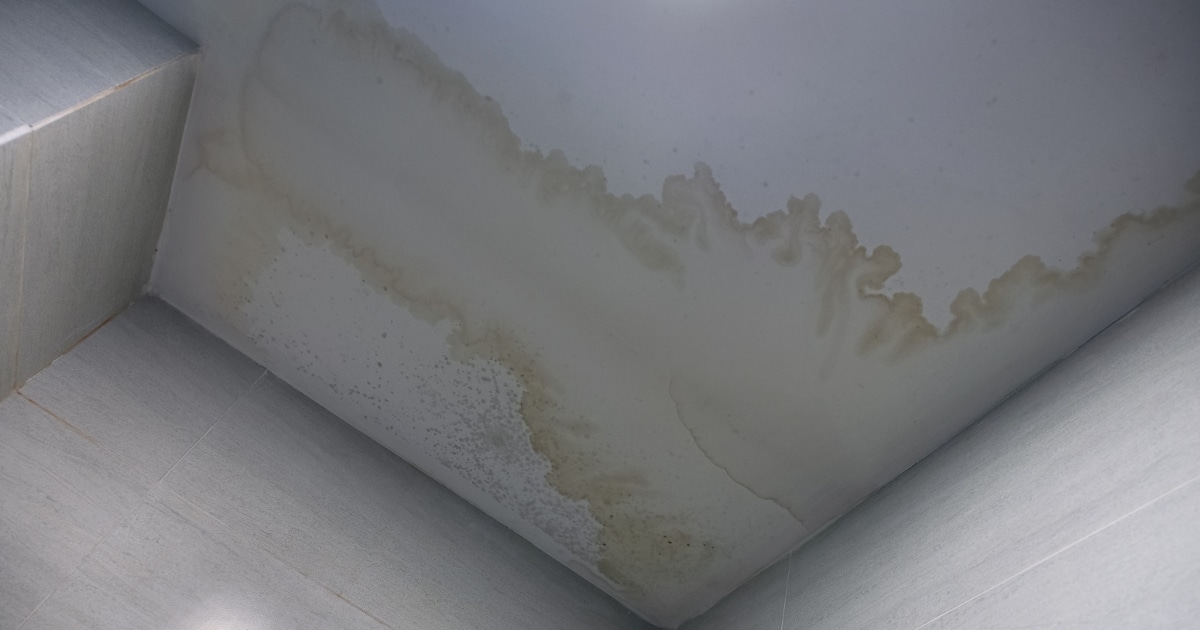
Water dripping from the ceiling is every homeowner’s nightmare. It not only signals a roof leak but also threatens the integrity of your home. Ignoring the issue could lead to extensive damage, including mold and structural problems. Fortunately, you can tackle leaks from the inside before they escalate into a full-blown crisis. Here’s a straightforward guide from our residential roofing contractors to help you stop a roof leak from inside your home with practical solutions that can save the day.
1. Identify the Source of the Leak
Before diving into repairs, pinpointing the leak’s origin is crucial. Here’s how to get started:
- Inspect the Ceiling: Look for water stains, discoloration, or bubbling paint. These signs often indicate a leak.
- Check for Puddles: Water collecting on surfaces can help trace the leak back to the roof.
- Look for Cracks: Examine walls and ceilings for any cracks or holes. These can be potential entry points for water.
Using a flashlight can aid in spotting issues in dark areas, making it easier to identify problems.
2. Create an Emergency Fix
Once you locate the leak, it’s time to implement a temporary solution. This emergency roof repair can help prevent further damage:
- Use a Bucket: Place a bucket under the leak to catch drips. This immediate measure keeps water from pooling on your floor.
- Tarp Coverage: If accessible, drape a tarp over the affected area. Ensure it extends beyond the leak’s boundaries for added protection. Secure the edges with weights or tie-downs to prevent them from blowing away.
- Seal with Tape: Duct tape can work wonders in a pinch. Apply it directly over the ceiling leak. While this is not a long-term fix, it can slow down water entry until you can repair more permanently.
3. Assess the Roof from the Inside
A closer examination of your roof’s structure is necessary to prevent further leaks. Look for:
- Damaged Insulation: Wet insulation can hinder your home’s energy efficiency. If it feels soggy or discolored, it may need replacement.
- Wet Wood: Check for waterlogged wood around rafters and beams. This can indicate more significant damage that may require professional attention.
- Mold Growth: If you notice any mold, it’s essential to address this quickly. Mold can compromise your health and spread rapidly.
4. Fix Interior Damage
After stopping the leak, it’s time to repair any damage inside your home:
- Replace Insulation: If insulation is compromised, replace the wet sections with new material. This helps prevent future leaks and boosts energy efficiency.
- Patch Holes and Cracks: Use a high-quality patching compound for small holes and cracks in the drywall or ceiling. This will restore the integrity of your home’s interior.
- Repaint the Area: Once the patch has dried, repaint the area with moisture-resistant paint to protect against future leaks and mold growth.
5. Plan for Professional Help
While these steps provide temporary relief, a long-term solution is essential for preventing leaks from recurring:
- Schedule a Roof Inspection: A professional roofer can identify underlying issues that may not be visible inside your home.
- Consider Roof Repair or Replacement: Depending on the extent of the damage, you may need to invest in emergency roof repairs or even a total replacement. Investing now can save you from more considerable costs down the line.
- Review Your Home’s Warranty: If your roof is relatively new, check your warranty to see if the repairs are covered.
6. Maintain Your Roof Regularly
Preventive maintenance can significantly reduce the likelihood of leaks in the future. Here are some tips to consider:
- Regular Inspections: Check your roof for signs of wear and tear, such as loose shingles or cracks.
- Clean Gutters: Ensure gutters and downspouts are clear of debris. Clogged gutters can cause water to pool on your roof and increase the risk of leaks.
- Trim Overhanging Trees: Regularly cut back branches that could damage your roof or create debris buildup.
7. Stay Vigilant After Repairs
After addressing the leak, it’s crucial to monitor the repaired area for signs of recurrence:
- Check for Stains: Check your ceiling for new stains or discoloration.
- Inspect After Heavy Rain: Following storms, inspect your home for leaks, especially if you’ve had issues.
- Address Issues Promptly: If you notice new signs of trouble, don’t hesitate to make additional repairs or call in professionals.
Stopping a roof leak from the inside is crucial for any homeowner. While it can be stressful, knowing the steps can make a difference. From identifying the leak to implementing temporary fixes and planning for emergency roof repairs, you can take control of the situation. Remember, proactive maintenance can help you avoid costly repairs down the line. Keep your home safe and dry. Contact a local roof repair company for quick action and immediate resolution. Don’t let a minor leak turn into a major headache!
Related Articles

Book Your Free Inspection & Roof Replacement Quote