


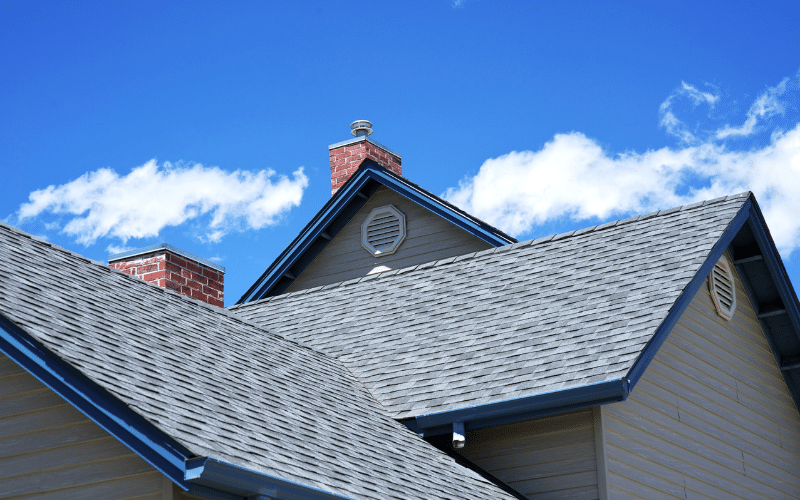
Over time, roofs may require replacement due to wear and tear or damage. But replacing a roof is more challenging than you think. Specific permits might be required for roof replacements, which is necessary, and avoiding them might cause you some legal complications. The Permit requirements for a roof replacement vary depending on location and regulations but are often crucial for ensuring safety, compliance, and quality of work.
Understanding these requirements is essential for homeowners and contractors alike to avoid potential legal issues and ensure that replacements are done effectively. This article will explain everything necessary for a safe roof replacement.
Why Permit Matter for Roof Replacement?
1. Legal Compliance: Obtaining permits ensures roof replacement in Eagar, AZ adheres to local building codes and regulations, preventing legal repercussions and potential fines.
2. Safety Standards: Permit requirements often include safety standards that must be followed during roof replacement, such as proper installation techniques and materials minimizing risks to workers and occupants.
3. Quality Assurance: Permitting processes typically involve inspections by building officials to ensure that the replacement meets quality standards and promotes structural integrity and longevity.
4. Insurance Coverage: Some insurance policies may require proof of permitted work for roof replacement coverage, safeguarding homeowners against potential liabilities and ensuring reimbursement for damages.
5. Property Value: Compliance with permit regulations enhances a property’s resale value by assuring buyers that the roof replacement was conducted legally and up to code, contributing to overall marketability.
Potential Consequences of Not Having a Permit
1. Legal Penalties: Conducting roof replacement without the required permit may result in legal consequences, including fines or citations from local authorities. Homeowners or contractors may be liable for non-compliance with building codes and regulations.
2. Safety Hazards: Without proper permits, the roof replacement may not meet safety standards, potentially leading to accidents or injuries for workers or occupants due to faulty installation or inadequate materials.
3. Insurance Issues: Insurance companies may refuse coverage or deny claims for damages related to roof replacement work without permits. Homeowners could face significant financial losses in the event of property damage or liabilities without adequate insurance coverage.
Common Factors Influencing Permit Needs
1. Scope of the Project: The extent of the project, whether a full roof replacement or a minor repair, can significantly influence permit requirements. Major renovations typically require permits to ensure compliance with building codes and regulations, while minor repairs may have less stringent requirements.
2. Size of the Roof Area: The roof area being replaced can also impact permit needs. Larger projects may require more extensive permits due to the potential impact on the structure and surrounding environment, while more minor repairs may have more straightforward permit requirements.
3. Changes to Roof Structure: Any alterations to the roof structure, such as changes in pitch or height, often necessitate permits. These changes can affect the overall stability and safety of the building, requiring approval from building authorities to ensure compliance with structural regulations.
Steps to Obtain a Roof Replacement Permit
A. Preparing Necessary Documentation:
– Gather essential documents such as building plans, roof replacement specifications, and any other required paperwork outlined by local building authorities.
– Ensure all documentation meets the specific requirements set forth by the permitting office.
B. Submitting Permit Application:
– Complete the permit application accurately, providing detailed information about the roof replacement project.
– Apply along with the necessary documentation to the local building department or permit office.
C. Paying Fees and Waiting for Approval:
– Pay any applicable permit fees as required by the local jurisdiction.
– Wait for the permit application to be processed, which may take varying amounts of time depending on the permit office’s workload and the complexity of the project.
– Be prepared to address any additional requirements or requests for clarification from the permitting office during this waiting period.
D. Understanding Inspection Requirements:
– Familiarize yourself with the inspection requirements specified by the building department for roof replacement projects.
– Coordinate with the permitting office to schedule required inspections at various stages of the project, such as before and after the installation of roofing materials.
– Ensure that the roof replacement work complies with building codes and regulations to pass inspections successfully.
In conclusion, checking permit requirements before commencing a roof replacement project is crucial for ensuring a smooth and legally compliant process. By obtaining the necessary permits, homeowners and contractors can prioritize safety, avoid potential legal issues, and ensure the replacement meets quality standards.
Permits ensure that the work is conducted following building codes and regulations, minimizing risks and promoting structural integrity. Therefore, individuals embarking on roof replacement projects should proactively contact their local permitting department or consult a licensed roofer to ensure compliance and a successful outcome. These steps can ultimately lead to a safer, more efficient, and higher-quality roof replacement experience.


Book Your Free Inspection & Roof Replacement Quote