


Introduction
Roofing is a critical component of a home’s structure, providing safety, comfort, and protection against various weather conditions. A well-maintained roof not only enhances the home’s value but also contributes to its energy efficiency and overall aesthetic appeal. When considering roofing solutions, it’s essential to evaluate both the current condition of the roof and the long-term implications of any repairs or replacements.
With frequent weather challenges, wear and tear, or aging, your roof might need attention. Roof maintenance, including emergency roofing, roof insulation, and gutter system maintenance, plays an essential role in prolonging your roof’s life. Even when dealing with damage, understanding whether repair or full roof replacement is necessary is crucial. In this post, we’ll dive into both repair and replacement, highlighting their benefits and limitations.
Understanding Roof Repair
Roof repair is typically the go-to solution when the roof’s overall structure remains intact, but certain sections have sustained damage. Whether it’s a leak from a storm, broken shingles, or minor wear and tear, repairing specific sections of the roof can restore its functionality without a significant financial commitment.
The Repair Process
The process begins with a professional inspection to assess the damage. This includes checking for leaks, identifying missing shingles, and inspecting the roof’s overall integrity. Once the issue is identified, a contractor will focus on repairing the affected areas, which may involve:
- Replacing damaged shingles
- Sealing leaks
- Applying protective coatings
Pros of Roof Repair
- Cost-Effective: Roof repairs tend to be less expensive than a full roof replacement.
- Quick Turnaround: Repairs can be completed quickly, allowing you to maintain protection from the elements without long delays.
- Longevity for Minor Issues: Minor issues like a few missing shingles can be fixed, extending the roof’s life for several more years.
Cons of Roof Repair
- Temporary Solution: Roof repairs address only the current damage, but they may not resolve underlying issues like deteriorating materials or poor roof structure.
- Cumulative Costs: If repairs are frequently needed, the overall cost might eventually exceed the price of a complete roof replacement.
- Limited Effectiveness for Older Roofs: For older roofs, continual repairs may not provide lasting results.
Understanding Roof Replacement
On the other hand, roof replacement involves removing your old roof entirely and replacing it with a brand-new one. This solution is best when your roof has reached the end of its life or has sustained substantial damage.
The Roof Replacement Process
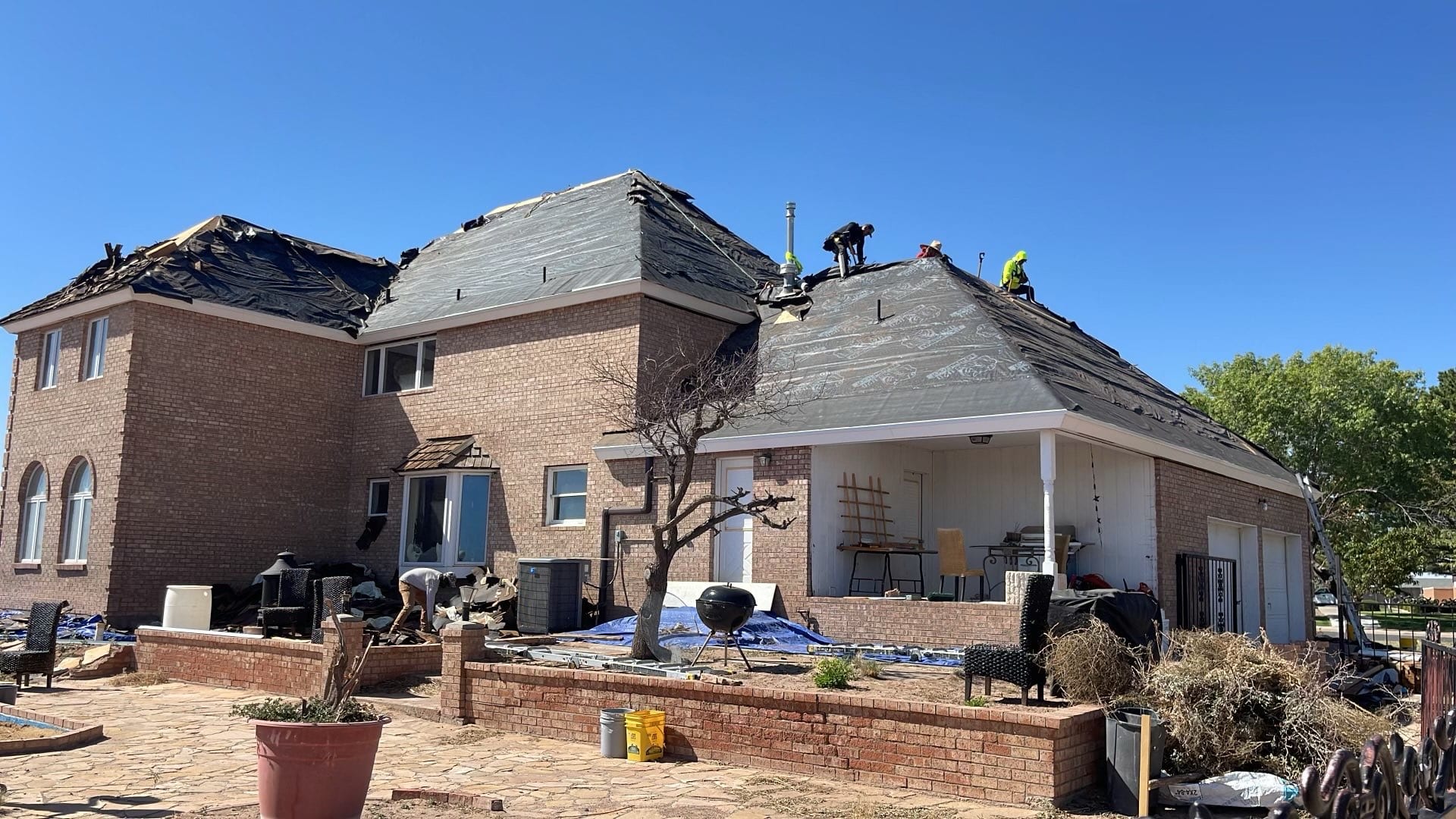
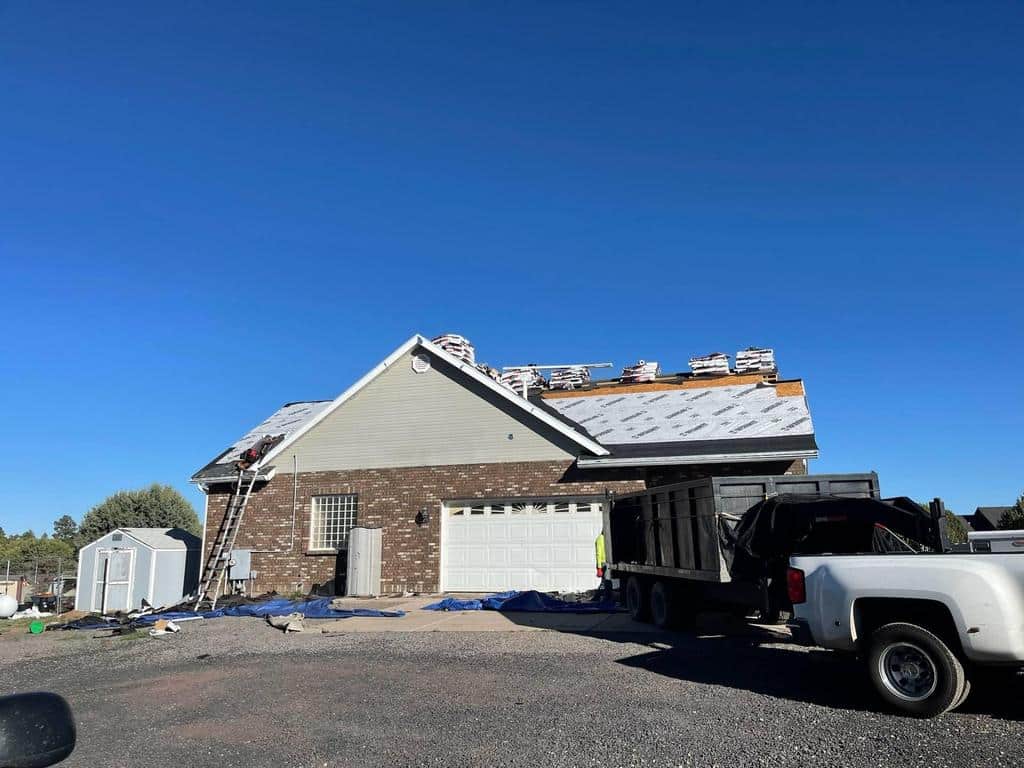
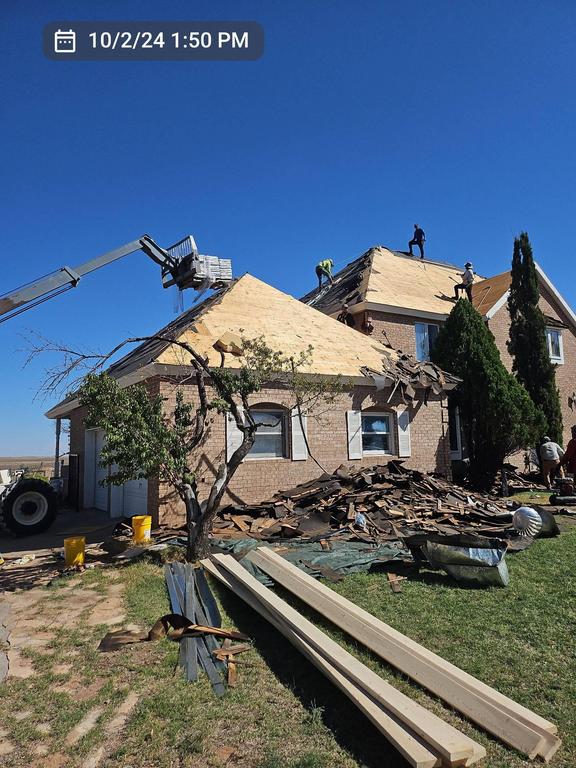
A full roof replacement is a comprehensive solution that addresses any issues your roof may have. Here’s what the process generally involves:
- Inspection and Assessment: The existing roof is carefully inspected to evaluate the condition of the roof deck and other materials.
- Removal of Old Materials: The old roofing materials are stripped off, and any underlying damage is repaired before new materials are applied.
- Installation of New Roof: After the deck is in good condition, new roofing materials (shingles, metal panels, etc.) are installed, followed by the proper installation of roof insulation for improved energy efficiency.
Pros of Roof Replacement
- Long-Term Investment: A new roof can last for several decades, offering substantial long-term protection for your home.
- Enhanced Protection: With a new roof, you get better protection against leaks, water damage, and the elements.
- Improved Home Value: A new roof significantly increases a home’s curb appeal and resale value.
- Energy Efficiency: Roof replacement offers an opportunity to improve roof insulation, which can reduce energy costs.
Cons of Roof Replacement
- High Upfront Cost: Replacing a roof is a significant investment, and it may require substantial upfront costs.
- Disruption: The replacement process can be noisy and disruptive, taking several days to complete.
- Waste: Replacing the entire roof can generate waste from the old materials, contributing to environmental concerns.
Comparing Roof Repair and Roof Replacement
Choosing between roof repair and roof replacement often depends on several key factors: the roof’s age, the extent of damage, and your budget. Here’s how these options compare:
Cost of Roof Repair and Roof Replacement
Repair: Short-term solution, cheaper upfront costs.
Replacement: Higher upfront cost but can save money long-term due to reduced future maintenance and improved energy efficiency.
Longevity and Durability
Repair: Offers temporary relief, but won’t solve underlying issues, especially for older roofs.
Replacement: Provides long-term peace of mind and a solution that could last for decades.
Property Value
Repair: Might not significantly enhance the home’s value, especially if repairs are frequent or the roof is old.
Replacement: A new roof is a key selling point, improving the home’s curb appeal and overall value.
Factors to Consider When Choosing Between Repair and Replacement
Several factors come into play when deciding whether to repair or replace your roof. Here are some of the most important aspects to consider:
Age of the Roof
If your roof is under 20 years old, repair is often a good option. For older roofs, replacement may be more practical.
Extent of Damage
Minor issues like missing shingles or small leaks may only require repairs. However, extensive damage or multiple issues often indicate that a full roof replacement is necessary.
Cost and Budget
If your budget is limited, a roof repair may be more feasible. However, it’s essential to consider how repairs might add up over time. If the cost of repairs exceeds the cost of replacement, a new roof might be a better investment.
Future Plans for the Property
If you plan to sell the property soon, a new roof may increase its marketability and resale value. However, if you plan to stay long-term, investing in a new roof could reduce future maintenance costs and improve comfort.
Insurance Coverage
If your roof damage is due to a storm or other covered incident, insurance may help offset some of the cost. It’s crucial to understand the terms of your insurance policy and work with an insurance claims adjusting professional to maximize your coverage.
Conclusion
The decision between roof repair and replacement hinges on multiple factors, such as the age and condition of the roof, the extent of damage, budget constraints, and plans for the property. While a roof repair may seem like a more economical option in the short term, a complete roof replacement can provide lasting benefits, including improved energy efficiency, increased property value, and long-term protection. It’s crucial to weigh these factors carefully before making a final decision.
If you find yourself at a crossroads between roof repair and replacement, it’s advisable to consult with a roofing expert. Red Dirt Construction is a trusted roofing replacement company in Eagar Arizona that provides reliable and professional roofing services to homeowners. Whether you need roof insulation, gutter system maintenance, or help with insurance claims adjusting, Red Dirt Construction offers comprehensive solutions.
With experienced roof replacement contractors, they guide you through every step, ensuring you get the best outcome tailored to your needs. If you’re considering a roof replacement, Red Dirt Construction can help you navigate the complexities of choosing the right materials and ensuring your new roof is installed efficiently. Reach out today to learn more about how Red Dirt Construction can help protect your home and provide the roofing solutions you need.
Name, Address, and Phone
Red Dirt Construction
51 S River Rd Suite B, Eagar, Arizona, 85925, US
928-862-5869
Social Media
Book Your Free Inspection & Roof Replacement Quote