

Your roof is the shield that protects your entire home from the harsh elements. It endures scorching sun, relentless rain, and even the occasional blizzard. While out of sight for most of the day, proper roof maintenance is crucial to maintain its durability and avoid expensive repairs in the future. This blog is all about exploring essential roof maintenance practices to safeguard your home against leaks, extend its lifespan, and maintain its resilience against weather extremes.
Here’s a comprehensive guide to keeping your roof in top condition:
Regular Inspections
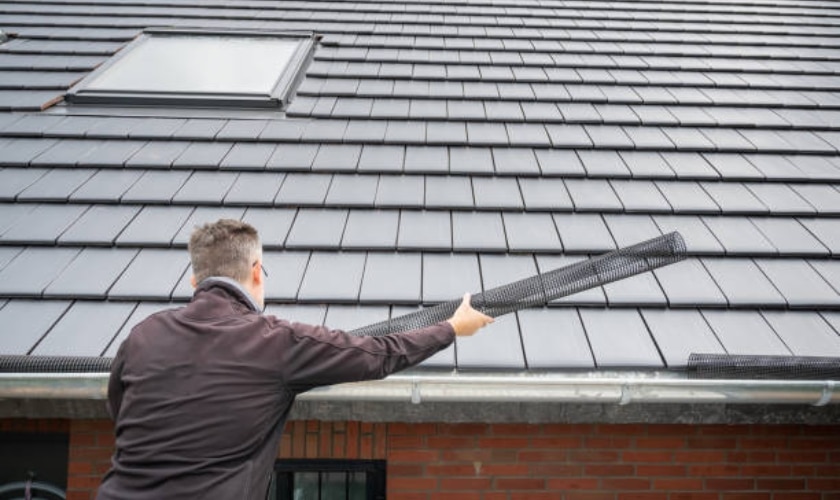
The first line of defence in roof maintenance is regular inspections. Ideally, you should conduct a thorough inspection of your roof twice a year – once in the spring after winter’s wear and tear and again in the fall before the harsh winter months arrive.
What To Look For?
During your inspection, pay close attention to the following:
- Missing or damaged shingles: Look for cracked, curled, or missing shingles. These can create openings for leaks and should be addressed promptly.
- Granule loss: Shingles are covered in granules that provide protection from the sun’s UV rays. Excessive granule loss exposes the asphalt underneath and can lead to premature ageing of the roof.
- Flashing issues: Flashing is the material used to seal around chimneys, vents, and other roof penetrations. Check for any gaps or cracks in the flashing that could allow water infiltration.
- Clogged gutters: Gutters play a vital role in directing rainwater away from your home. Ensure your gutters are free of leaves, debris, and any blockages.
Clean Your Roof
Besides visual inspections, keeping your roof clean is another crucial aspect of roof maintenance.
- Moss and Algae Removal: Moss and algae growth can trap moisture and deteriorate shingles over time. If you notice significant moss or algae growth, consider having your roof professionally cleaned.
- Debris Management: Leaves, twigs, and other debris may collect on your roof and block gutters. Consistently clear away debris to avoid water buildup and potential damage.
Tree Trimming
Overhanging branches can present a substantial risk to your roof. Branches can scrape and damage shingles during storms, while heavy limbs can even break through the roof during strong winds. Regularly prune tree branches near your roofline to minimise the risk of damage.
Ventilation
Effective roof ventilation is essential for ensuring a healthy roof system. Ventilation helps to:
- Reduce attic heat: Attic temperatures can soar during summer months. Proper ventilation allows hot air to escape, preventing heat buildup that can damage shingles.
- Prevent moisture buildup: Ventilation helps mitigate the accumulation of moisture in the attic caused by condensation, thereby preventing mold growth and potential structural damage to the roof deck.
Professional Roof Maintenance
While many roof maintenance tasks can be performed by homeowners, there are situations where seeking professional help is essential.
- Complex Repairs: If you notice significant damage to your roof, such as large areas of missing shingles or structural issues, it’s crucial to call a qualified roofer for repairs.
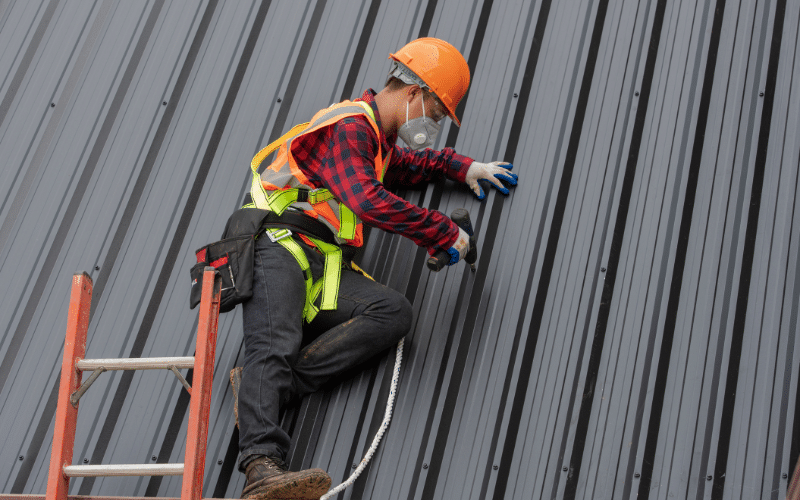
- Safety Concerns: If accessing your roof for inspection or cleaning poses a safety risk, it’s best to leave the job to a professional roofer with the proper safety equipment and expertise.
Overall, by consistently maintaining your roof, you can significantly prolong its lifespan and avoid expensive repairs in the future. A well-maintained roof not only shields your home from the elements but also enhances your property’s overall value. Key practices like regular inspections, thorough cleaning, and ensuring proper ventilation are essential for keeping your roof in optimal condition. If you have any uncertainties about roof maintenance, seeking advice from a certified roofing professional is always advisable.
Frequently Asked Questions
How often should I have my roof inspected?
Ideally, you should conduct a thorough roof inspection twice a year: once in the spring and again in the fall. However, if you live in an area prone to harsh weather conditions, you may want to consider more frequent inspections.
Can I clean my roof myself, or should I hire a professional?
Cleaning your roof is possible as a DIY project, especially for single-story homes with easily accessible roofs. However, if your roof is steep, has uneven surfaces, or you’re uncomfortable working at heights, it’s safer and more efficient to hire a professional roofer.
What are some telltale signs that my roof needs repairs?
Several signs indicate your roof might need repairs. These include missing or damaged shingles, visible daylight peeking through the roof deck, leaks inside your attic or living space, and dark streaks or moss growth on shingles.
Is it okay to pressure wash my roof?
While pressure washing can remove moss and algae growth, it can also damage shingles if not done properly. If you choose to pressure wash your roof yourself, use a low-pressure setting and avoid directly spraying the shingles. In most cases, a professional roof cleaning with a specialised cleaning solution is recommended.
What factors impact the cost of roof maintenance?
The cost of roof maintenance can vary depending on several factors, including the size and type of your roof, the extent of the maintenance required, and the labour rates in your area. Generally, regular inspections and cleanings are more affordable compared to repairs or replacements.


Book Your Free Inspection & Roof Replacement Quote