

Roofs do more than keep the rain out—they are crucial in regulating your home’s temperature and energy efficiency. When it comes to roof insulating, the type you choose can significantly impact your comfort, energy bills, and even the lifespan of your roof. With so many options available, it can feel overwhelming. Fear not! Let’s break down the most common types of insulation used for roofs and help you find the best fit for your needs.
The Basics of Roof Insulation
Before discussing specific materials, it’s essential to understand the key function of roof insulation. It is a barrier against heat transfer, keeping your home warm in winter and cool in summer. By reflecting or absorbing heat, insulation reduces the need for heating and cooling systems to work overtime, ultimately saving you money.
Common Types of Roof Insulation
1. Fiberglass Insulation
Description: Fiberglass is one of the most widely used insulation materials. It consists of tiny glass fibers and is available in batts, rolls, or loose-fill form.
Benefits:
- Non-combustible, offering fire resistance.
- Excellent thermal performance.
- Affordable and widely accessible.
Considerations: Fiberglass can irritate the skin and lungs, so proper installation and safety gear are essential.
2. Foam Board Insulation
Description: Foam board insulation comprises rigid polystyrene, polyisocyanurate, or polyurethane panels. It’s typically used in flat or low-slope roofs.
Benefits:
- High insulating value with a relatively thin profile.
- Provides moisture resistance.
- It can be used to insulate the entire roof or as part of a layered system.
Considerations: Installation requires careful handling, as the edges can be prone to damage.
3. Spray Foam Insulation
Description: Spray foam insulation is a two-part mixture that expands upon application, effectively filling gaps and crevices. It’s often used in irregular spaces.
Benefits:
- It provides an airtight seal, minimizing air leaks.
- High R-value per inch, offering excellent thermal resistance.
- It helps to control moisture, reducing the risk of mold.
Considerations: It can be more expensive than other options, and professional installation is typically required.
4. Cellulose Insulation
Description: Made from recycled paper products, cellulose is an eco-friendly option often used in loose-fill forms for attics and roofs.
Benefits:
- Environmentally friendly, with high recycled content.
- Excellent sound-dampening properties.
- TThey are treatedwith fire retardants for safety.
Considerations: It can settle over time, which may reduce its effectiveness, so proper installation is critical.
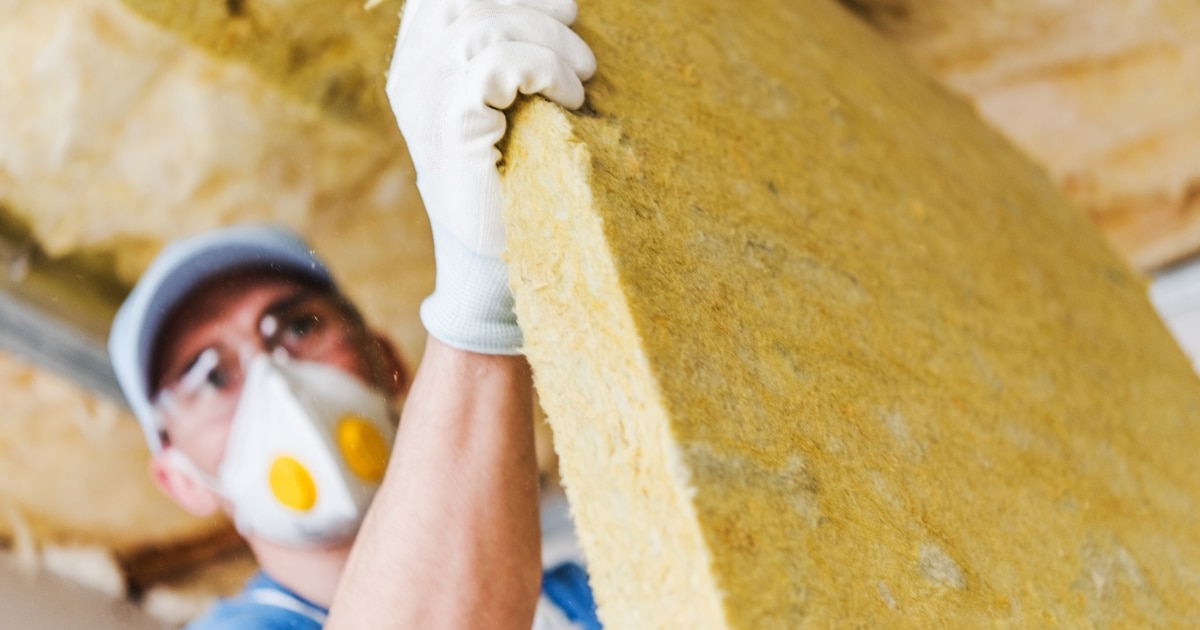
5. Mineral Wool (Rock Wool) Insulation
Description: Mineral wool insulation is made from natural rock or recycled steel slag. It’s fire-resistant and often used in commercial roofing systems.
Benefits:
- Excellent thermal and sound insulation properties.
- Naturally fire-resistant, providing additional safety.
- Resistant to mold and pests.
Considerations: It’s typically more expensive than fiberglass but offers superior performance in specific applications.
Factors to Consider When Choosing Roof Insulation
Selecting the correct type of insulating materials involves several considerations beyond just material type. Here are some key factors to keep in mind:
- Climate: Your local climate greatly influences insulation effectiveness. In colder regions, focus on materials with a high R-value to retain heat. In warmer climates, consider options that reflect heat.
- Roof Type: The design of your roof (flat, sloped, or vaulted) will dictate which insulation type is most suitable. For instance, foam board works well for flat roofs, while fiberglass batts are ideal for sloped roofs.
- Installation Requirements: Some insulation types, like spray foam, require professional installation. Others, such as fiberglass batts, can be a DIY project. When deciding, consider your comfort level and budget.
- Energy Efficiency Goals: If energy savings are a top priorities, invest in high-performance insulation materials. Higher initial costs can lead to significant long-term savings on energy bills.
Tips for Effective Roof Insulation
Achieving the best results with roof insulation requires careful planning and execution. Here are some tips to ensure your insulation is as effective as possible:
- Seal Air Leaks: Before installing insulation, check for air leaks around vents, chimneys, and other penetrations. Use caulk or foam sealants to close gaps.
- Ventilation: Proper ventilation is critical in maintaining a balanced temperature and moisture level in your roof space. Ensure that your insulation allows for adequate airflow.
- Layering: For added insulation, consider layering different types of materials. For example, you can use foam board on fiberglass batts for enhanced thermal performance.
- Routine Inspections: Regularly inspect your roof insulation for signs of moisture damage or settling. Address any issues promptly to maintain its effectiveness.
Choosing the right insulation for your roof can be a game-changer for your home’s comfort and energy efficiency. Each material offers unique benefits, from fiberglass and foam board to cellulose and mineral wool. Consider your climate, roof type, and specific needs to make an informed decision to enhance your home’s performance for years.
Investing in quality roof insulation is not just about immediate comfort—it’s a long-term strategy for energy savings and sustainability. With the right insulation in place, your home will feel cozy in the winter and refreshingly cool in the summer, all while keeping your energy bills in check. Don’t wait; contact a local roof insulation solution provider today for a more comfortable tomorrow!


Book Your Free Inspection & Roof Replacement Quote